Yá'át'ééh, shik'éí dóó shidine'é.
Louvannina Tsosie yinishye.
tsé nahabiłnii nishlį
tsé níjíkiní báshichíín
áshiihí dáshicheii
tábąąhí dashínalí
tohlakai/bahastl'ah déé naashá
- louvannina tsosieMeet Nina
A Diné student at the University of Colorado Denver, where she studies Psychology and American Indian Studies.
Nina’s academic work extends beyond the classroom. She is completing a two-year, 300-page independent study documenting the lived experiences of Navajo women who attended federal boarding schools from the 1950s–80s.
Nina noted that while there is history about the system of boarding schools, there is very little focused on the personal perspectives of the women who went through it. She states, "As Diné, women are the center of our world, but their boarding school stories haven’t really been told in the way they deserve."
Her commitment to preserving these stories, uplifting our diné voices, and contributing to Indigenous research makes her an important emerging scholar in our community.
The Matriarchal Foundation
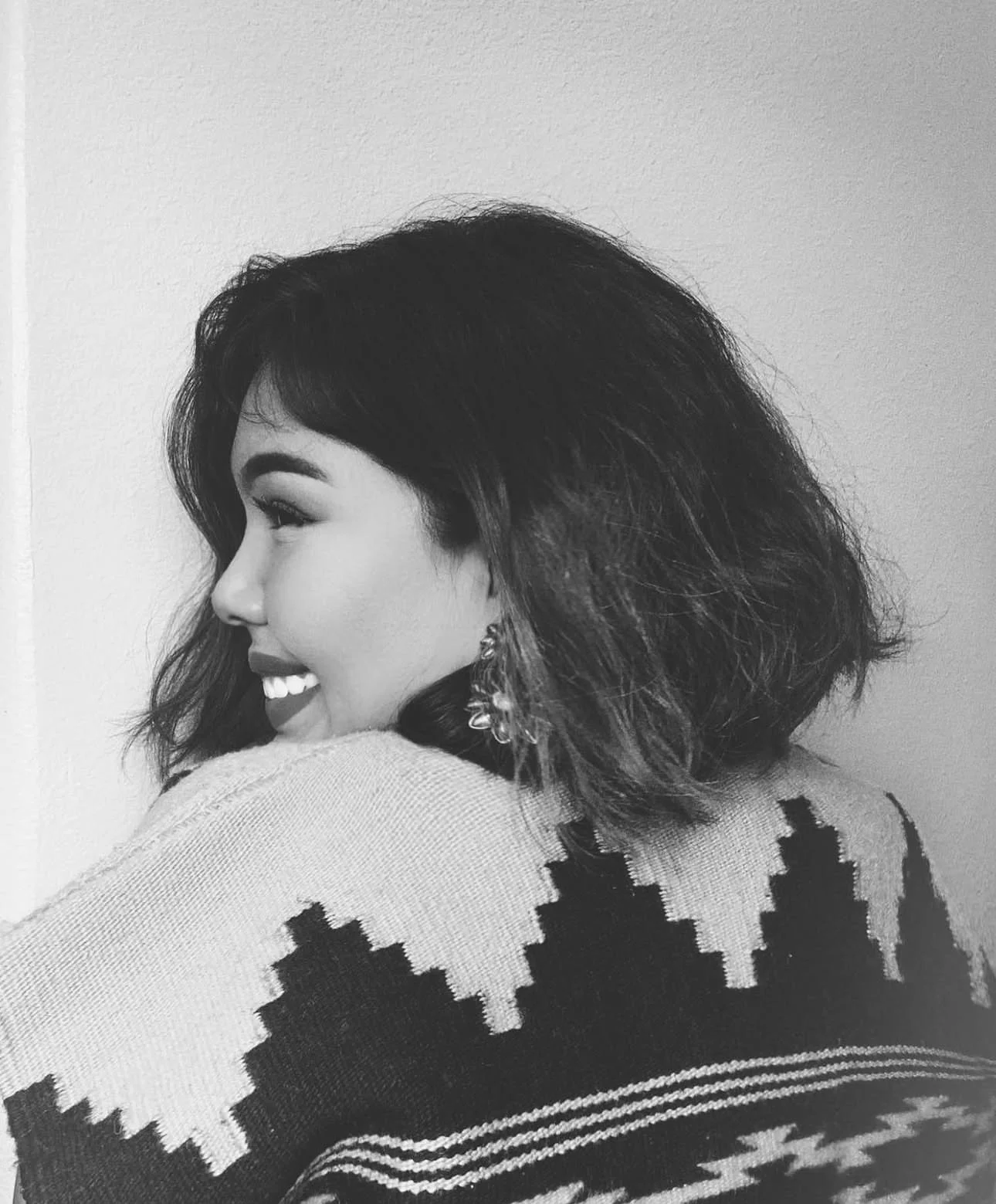
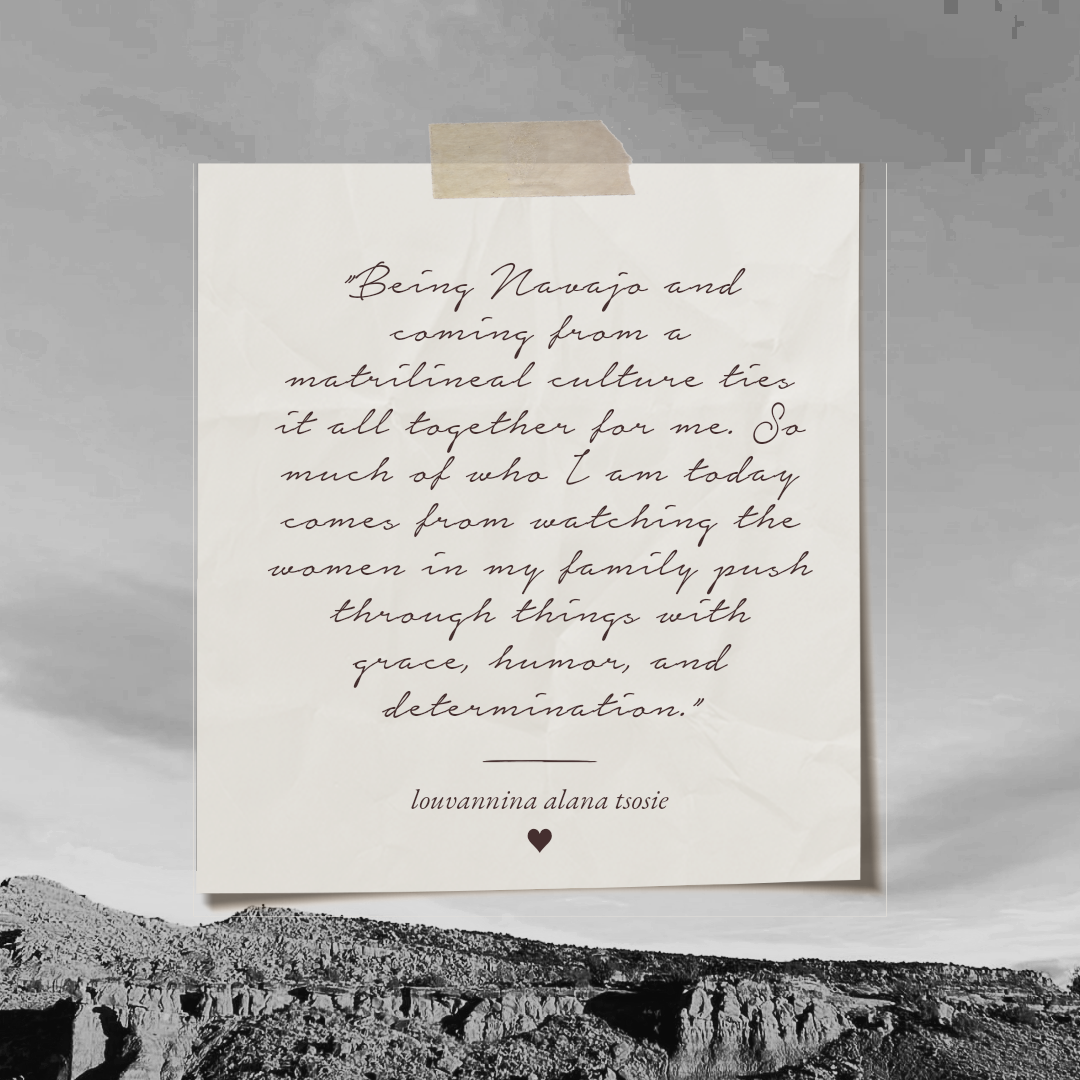
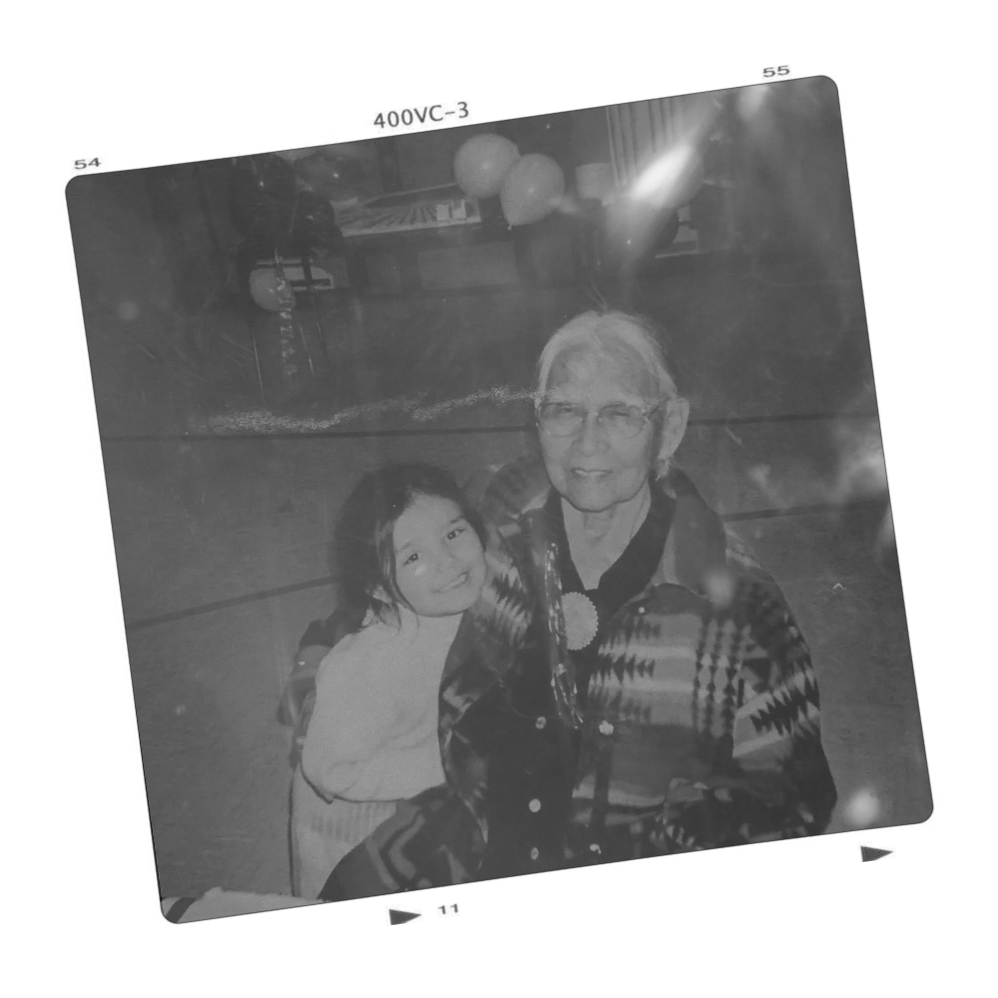
As the youngest of her siblings, she grew up watching the women in her life strive to be the best. From the enduring legacy of her late másání to the daily examples set by her mother, sisters, and aunties, she learned to navigate the world with integrity.
"I grew up surrounded by very hardworking men and women, but especially the women," Nina reflects. "My mom worked a full-time job as an accounting manager for over 30 years... Watching her made me understand what dedication really looks like."
This matrilineal upbringing instilled a "I can do it too" mentality that fuels her today, whether she is tackling a Psychology degree as a Chief Manuelito Scholar, or launching a business.
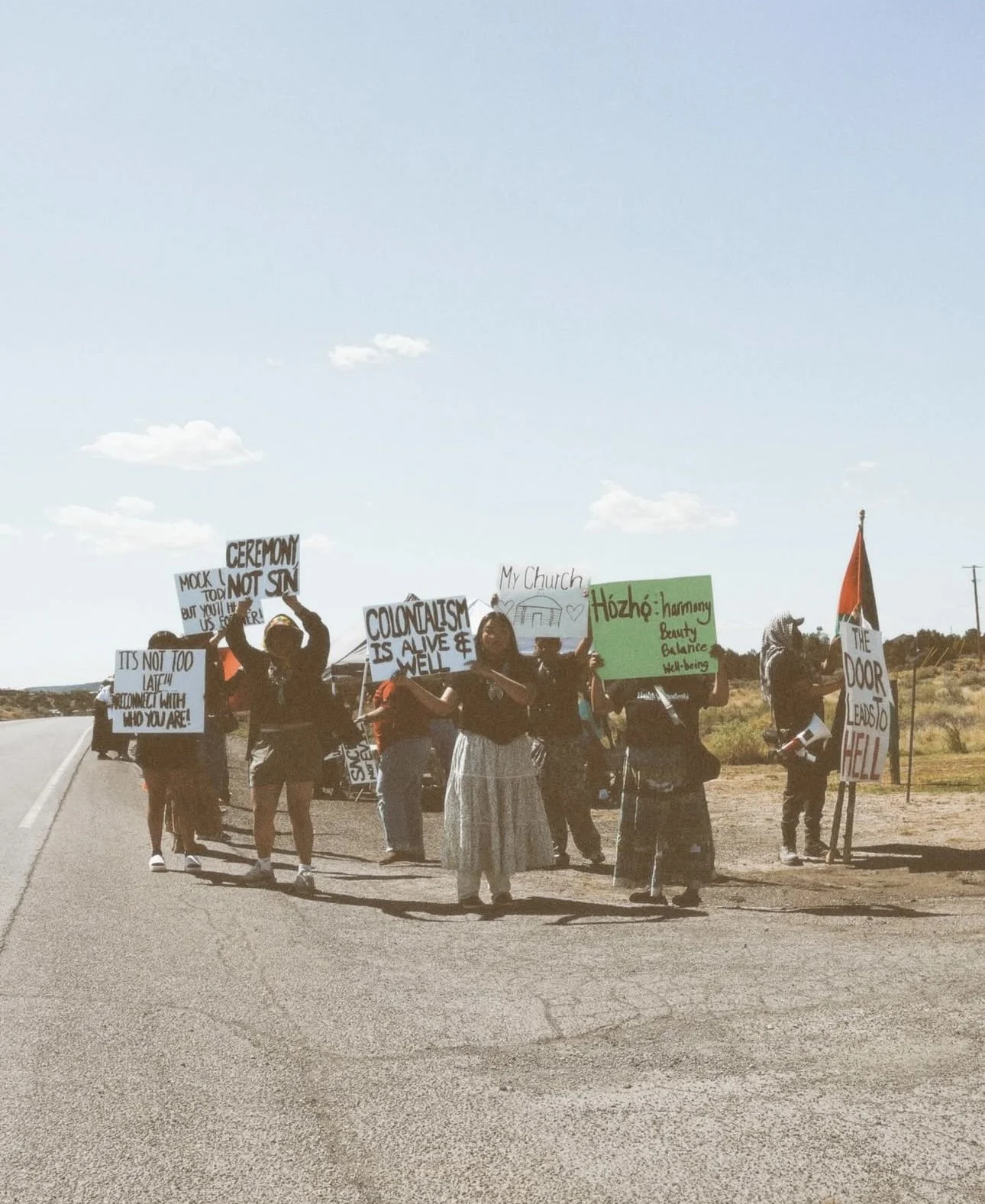
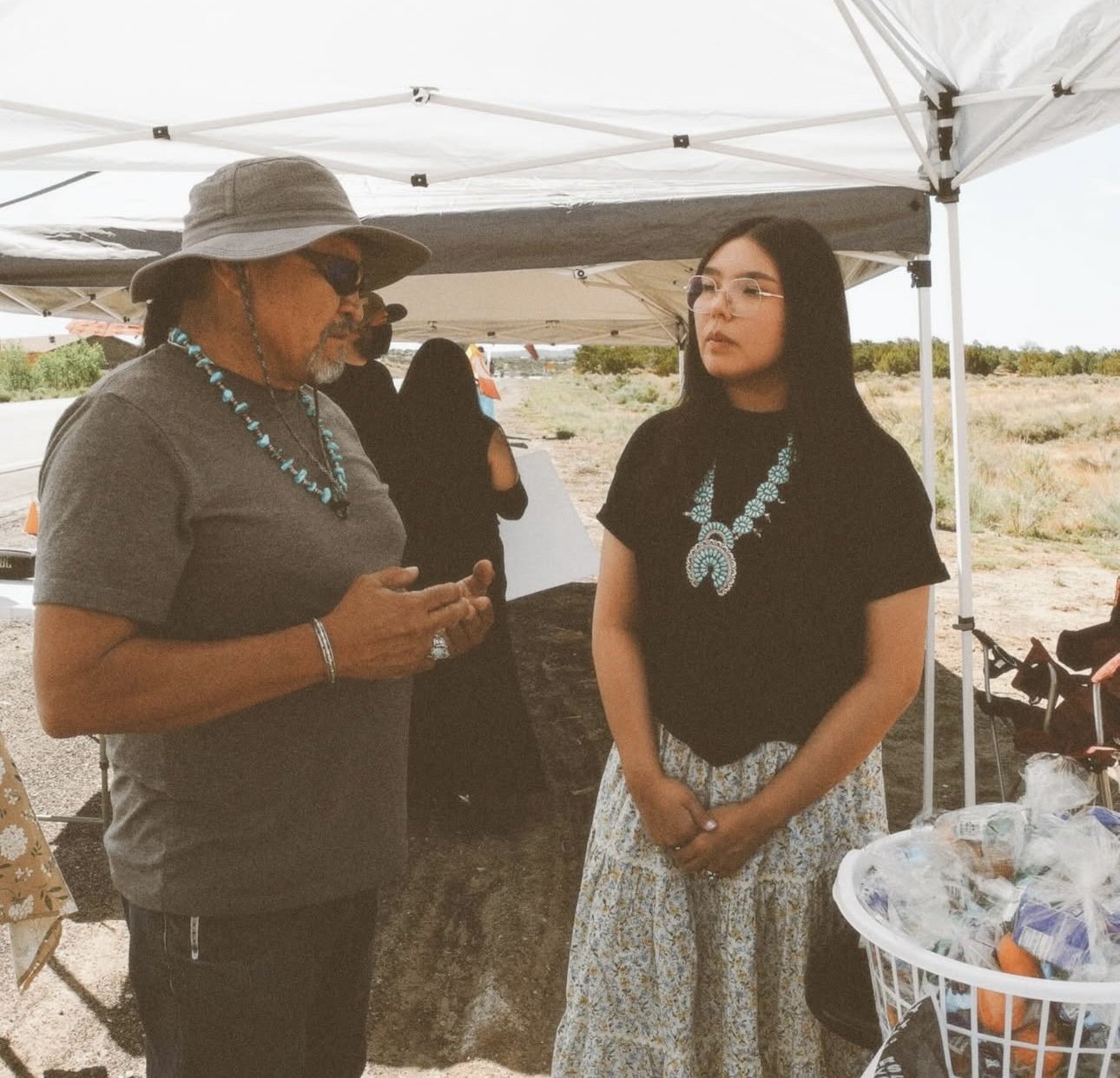
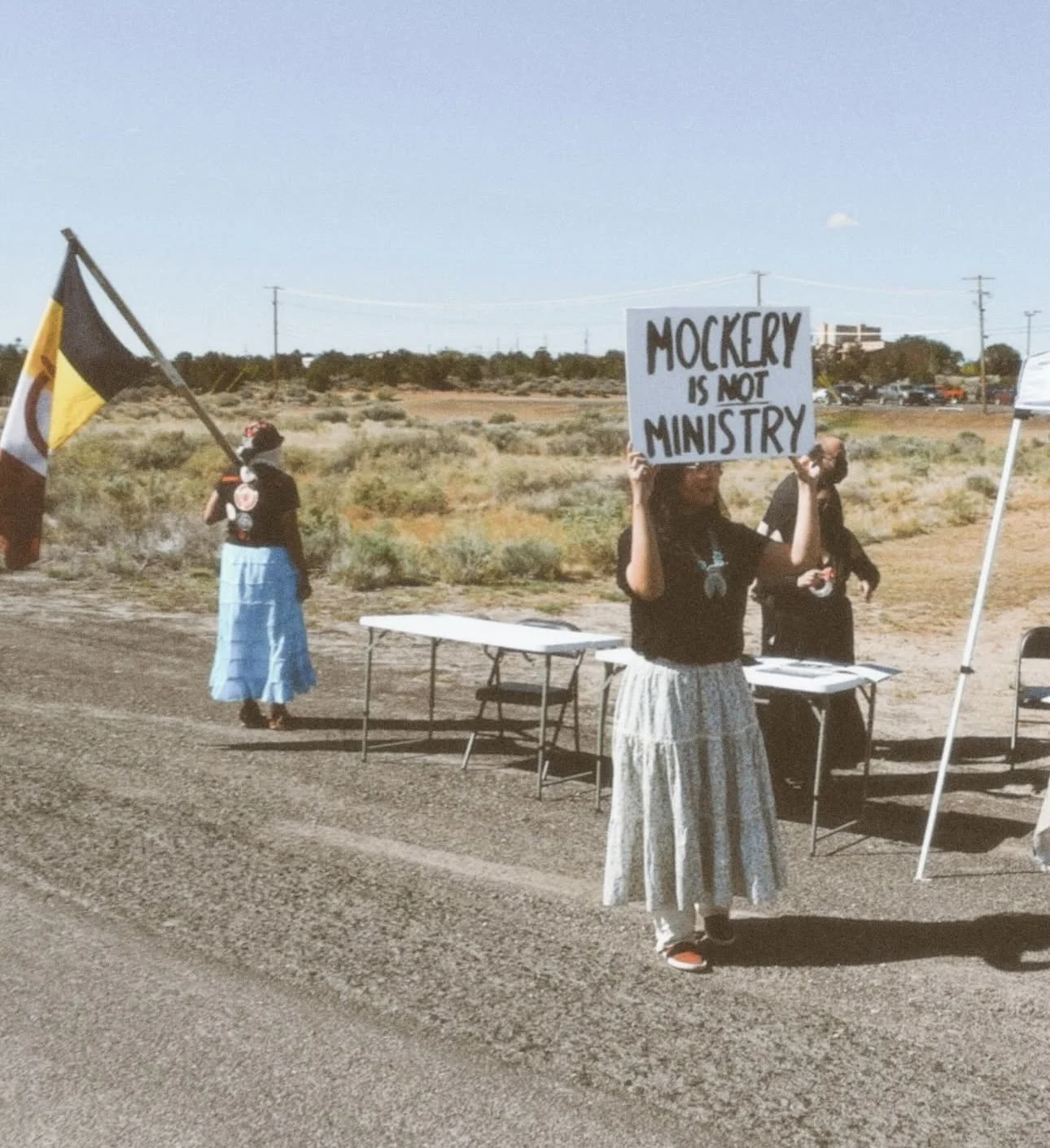
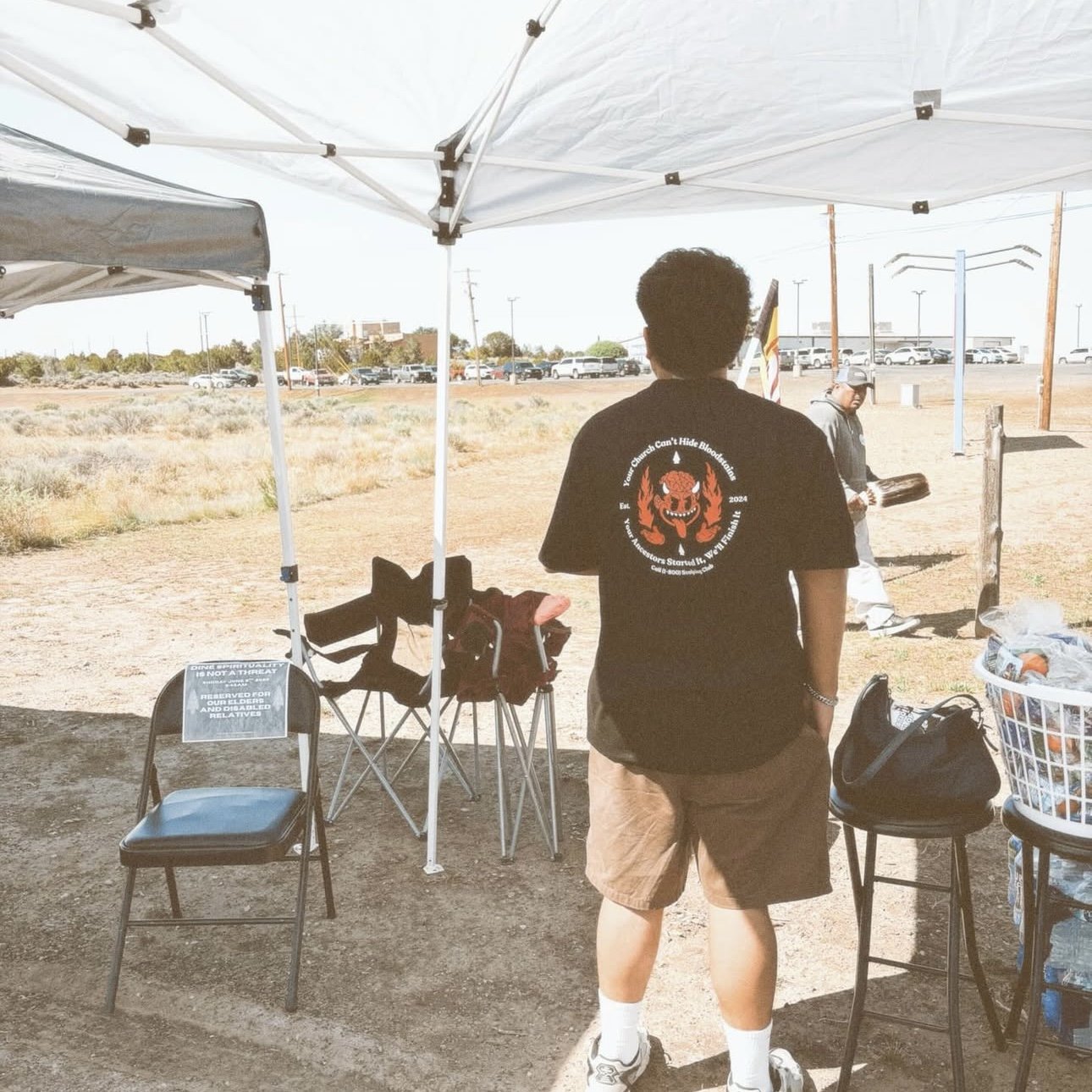
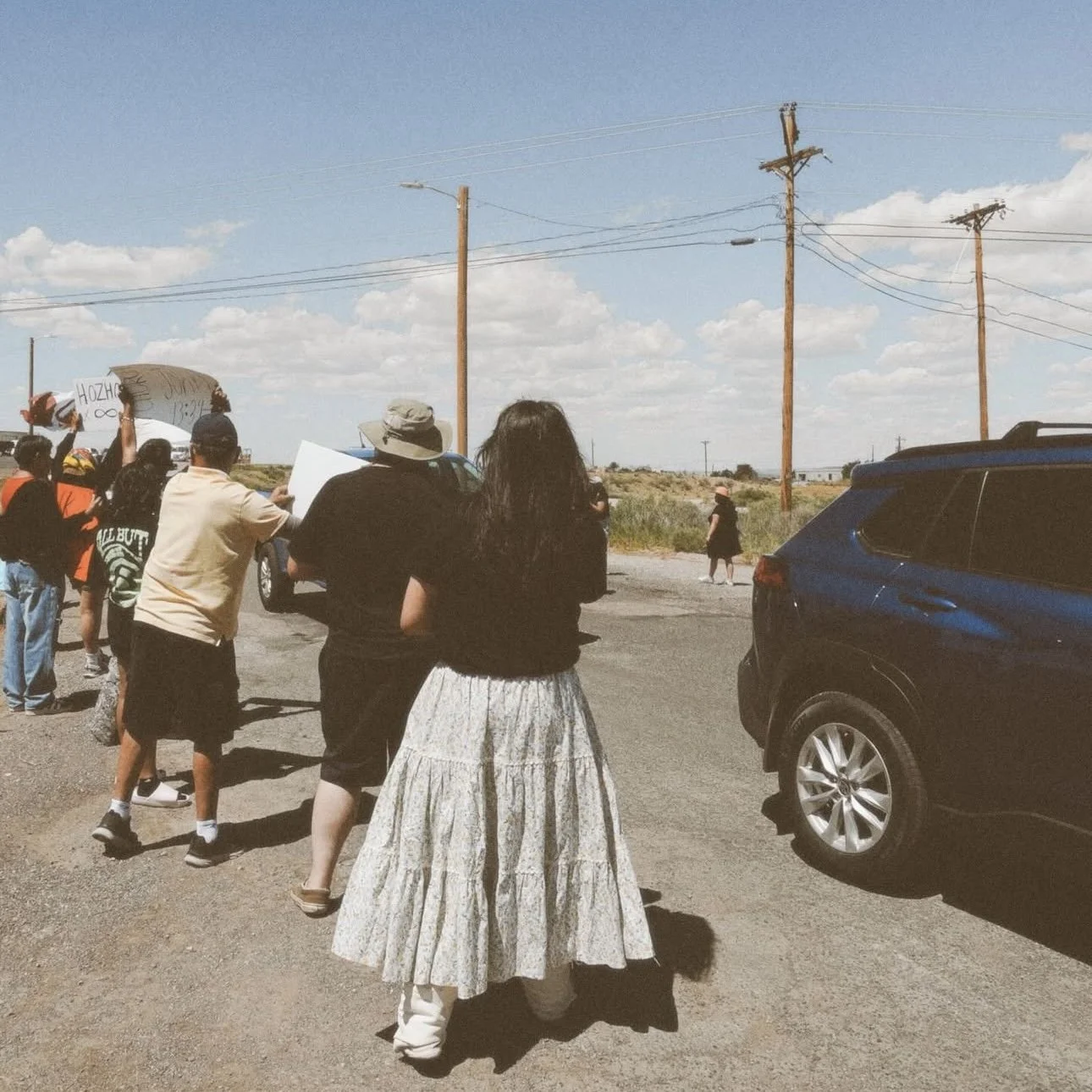
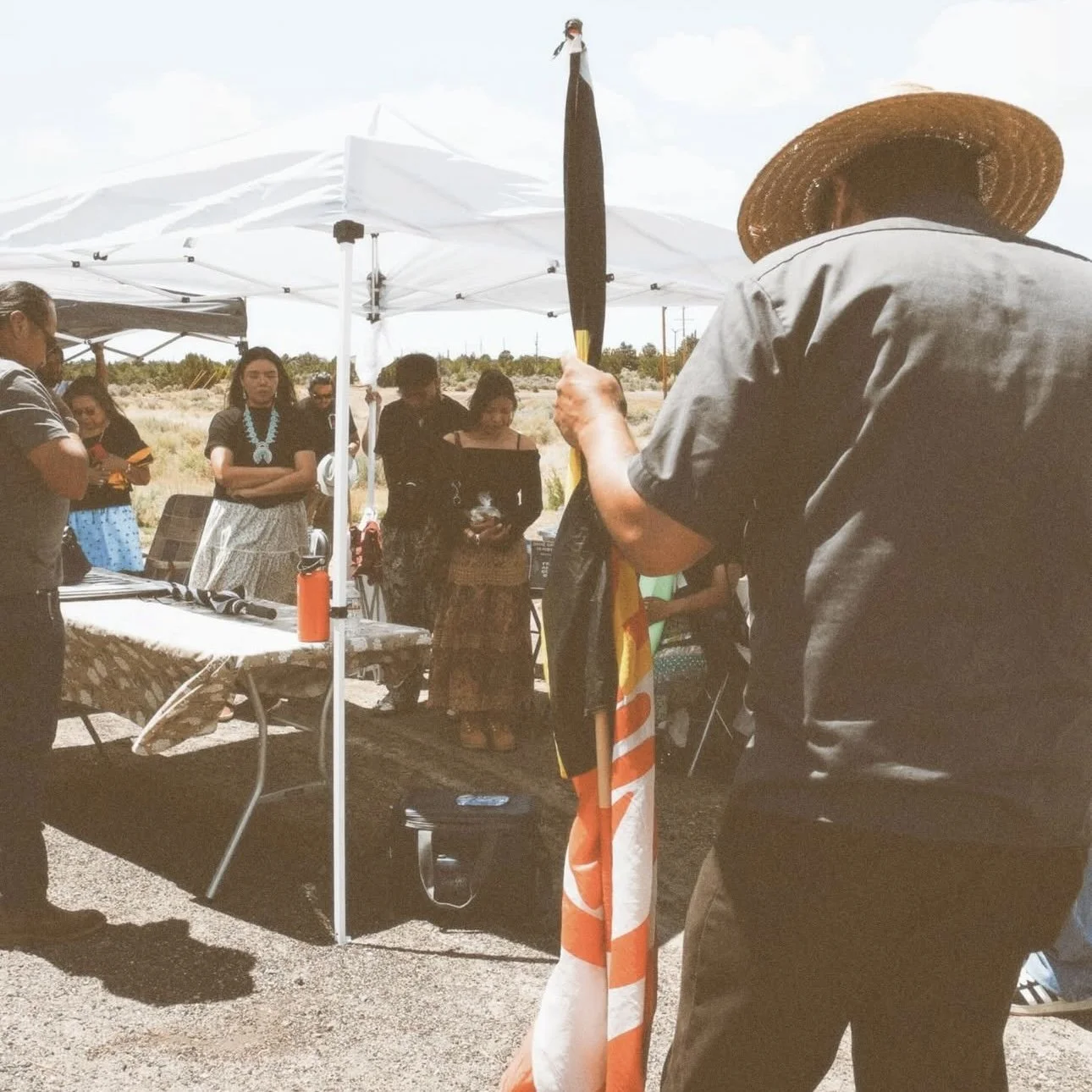
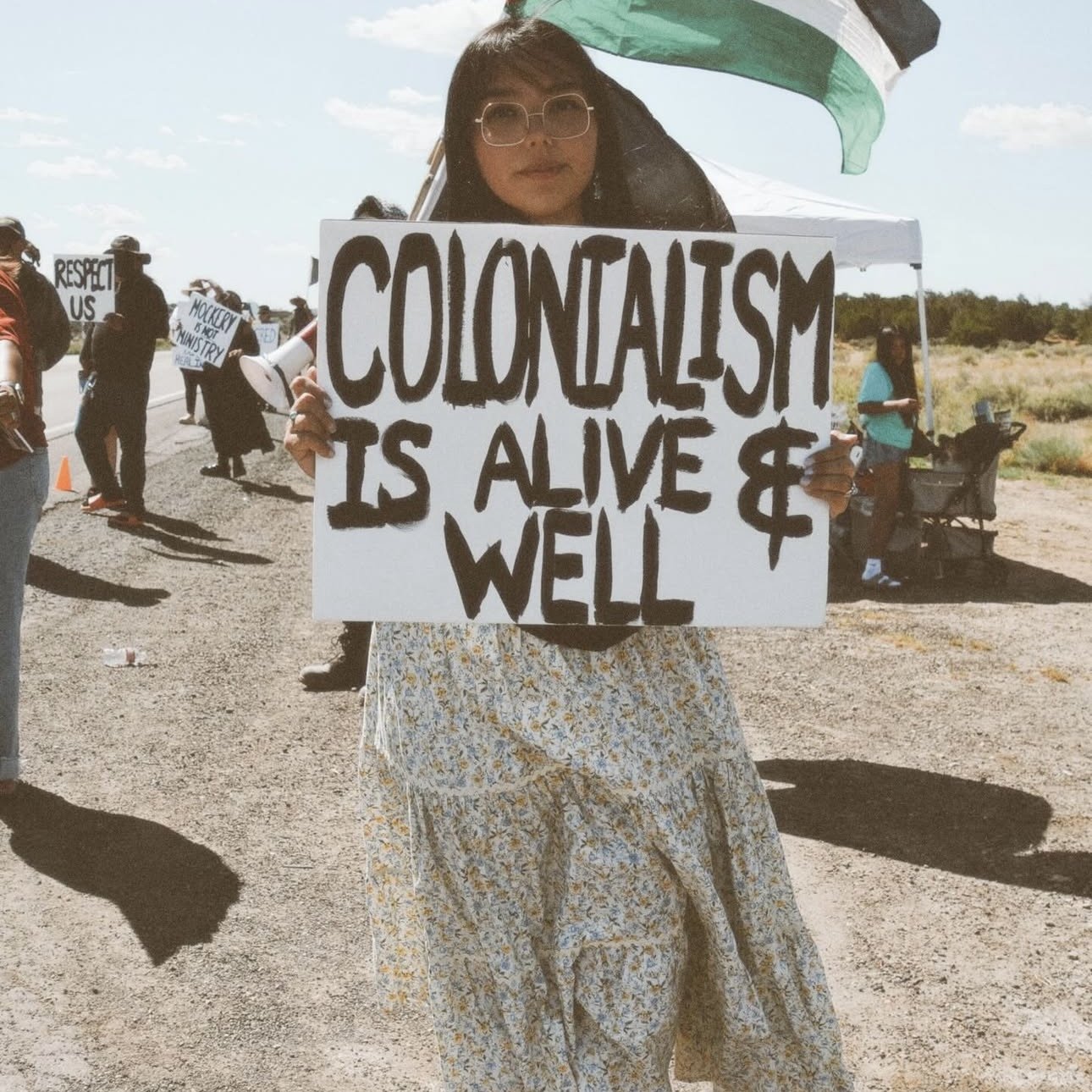
"I wanted non-Native people to understand that this wasn’t 'just a protest'... It was about protecting our culture, our dignity, and our right to exist."
Nina speaks truth to power
Nina’s voice became widely recognized in June 2025 during a pivotal moment for the Diné community. When a local church portrayed Navajo traditions as "evil" in a controversial play, Nina didn't just watch, she acted.
"It felt like a direct attack on our culture," she explains. "What moved me to co-organize the protest was seeing the hurt and anger in our communities."
For Nina and many others, the protest was personal. The play depicted domestic violence in a way that triggered deep wounds. Her late aunt, Ella Johnson, was a victim of domestic violence in the 90s in Gallup, NM. Nina quotes, “My late auntie, Ella Johnson, was murdered by her partner in the early 90s in Gallup, New Mexico. Her death received significant attention throughout the state and within the Navajo Nation, and it’s something my family has carried for decades. Her story is part of the larger violence that Native women face every day. When that scene played out, it felt like they were reenacting a trauma that so many Indigenous families have lived through; including mine.”
By documenting the event on TikTok, Nina wasn't just creating content. She was the voice of our people. "I wanted non-Native people to understand that this wasn’t 'just a protest'... It was about protecting our culture, our dignity, and our right to exist."
Q&AWhat are your long-term goals: for yourself, your education, your tea company,
Long-term, I want to finish my psychology degree and eventually move into counseling or clinical work that’s focused on Navajo communities. One of my biggest goals is to eventually open a private counseling practice on the Navajo Nation. I want to create a space where our people feel understood and safe. I also hope to grow Nina Tea Company into something steady and meaningful, but still simple and true to how it began. I never want it to lose its cultural roots or the intention behind it.
For my community involvement, I want to keep advocating for Navajo women, mental health, and cultural respect. Whether it’s through my writing, speaking, or myboarding school research, I want to stay connected to the work that helps our people. Personally, I just want to keep growing — as a Diné woman, a student, and someone who’s trying to make a real, grounded impact in her community.
Is there anything important you feel people misunderstand about Diné women or advocates today?
I think people often misunderstand how much Diné women carry. From the outside, it might look simple, but there’s a lot of responsibility that falls on us. We’re expected to be strong, steady, and giving, even when we’re going through our own struggles. A lot of that strength goes unnoticed because we don’t always talk about it; we just do what needs to be done. When it comes to advocacy, I think people assume it always looks loud or confrontational. But for many of us, advocacy is rooted in care.
Where do you hope to see your impact 5–10 years from now?
In five to ten years, I hope to have completed my doctorate and be running my own private counseling practice on the Navajo Nation. That’s one of my biggest goals — to return home with the training and experience I’ve worked for and create a space where our people can receive care without having to explain or defend their culture. I want a practice that understands Diné families, our history, and the unique challenges we face. That’s the kind of impact I hope to be making in the next decade.
I also hope that my writing reaches people far beyond our community. The boarding school project is just the beginning, and my dream is to eventually turn it into a novel. If I’m really being honest, I would love to see it become a New York Times bestseller one day. Not for the title, but because it would mean our stories are finally being heard on a bigger scale.
What experiences early in life influenced the work you’re doing now for community betterment?
Like many Native kids, I grew up seeing the realities that our communities face—mental health struggles, addiction, poverty, and the kind of generational pain that doesn’t always get talked about. Even at a young age, I could see how deeply these issues affected the people around me. I knew early on that my life’s work would be dedicated to the Navajo people.
From there, listening became my starting point. It was the one thing I could offer, even as a kid, and it taught me how powerful connection can be; something that’s now at the heart of my path toward becoming a psychologist.
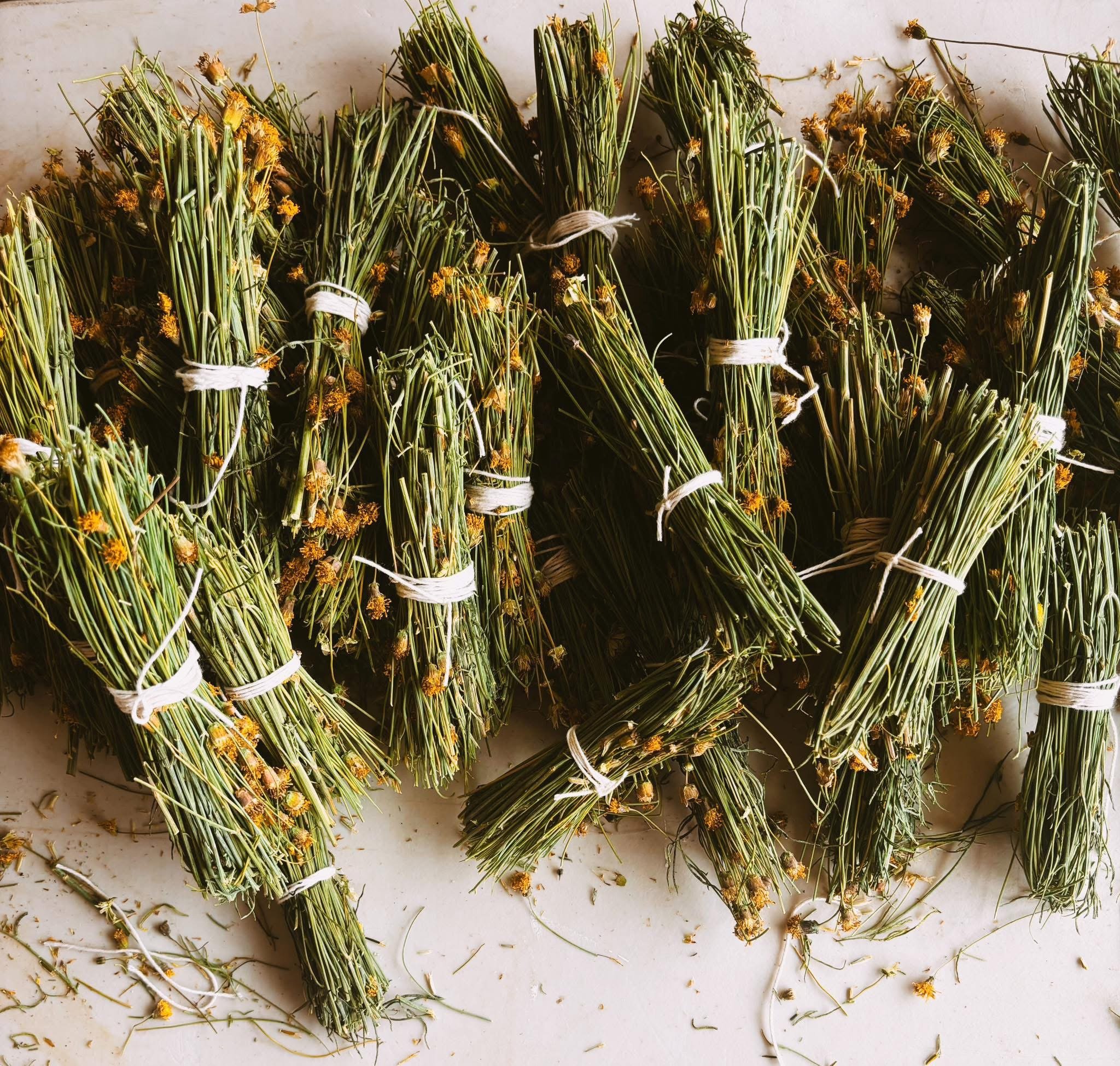
Nina Tea Company
Nina Tea Company
Alongside her academic work, Nina operates a Navajo tea business focused on organic, responsibly harvested ingredients.
Her harvesting process, taught by her auntie in Rock Springs. Includes carefully gathering the plants, removing critters, washing, and hand-wrapping each product. The work takes hours, but she describes it as time for reflection. A time to be with her surroundings, her family, and her goals.
Each harvest is done by hand.
Each bundle is organic.
Each package carries a piece of home.
By turning these teachings into a business, Nina created more than a product, she created a way to fund her education.